


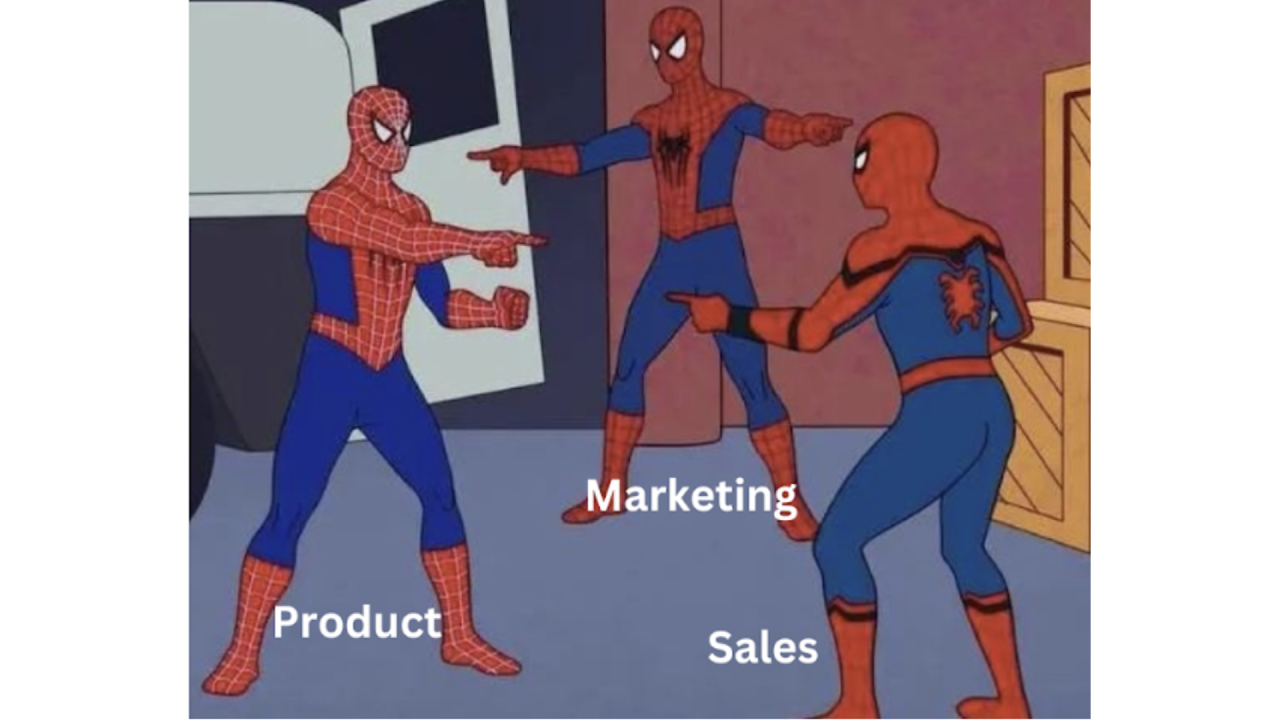

A simple way to explain my job is this: I help people understand why a product matters.
A company can build powerful cloud and AI products, but that does not mean customers will immediately understand them, trust them, or know how to use them. Product marketing exists to close that gap. My role is to connect three things: what the product does, what the audience needs, and how to bring the story to market clearly.
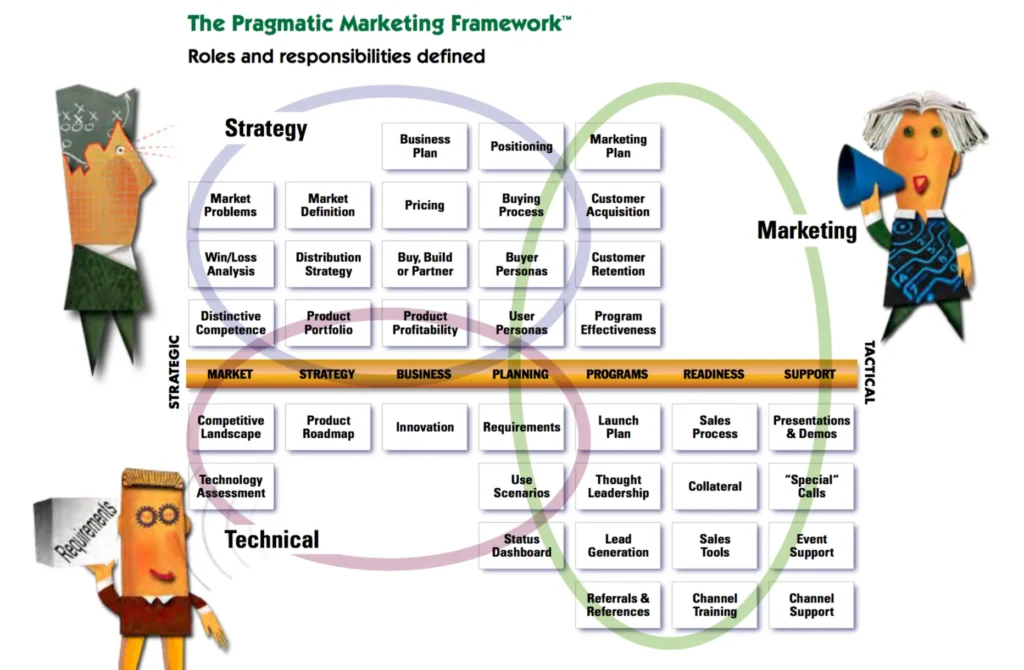
Caption: I like this model because it shows that product marketing is one part of a larger system. Strategy decides where to go, technical teams build the product, and product marketing helps the market understand and adopt it.
I focus on education and academic research audiences, which means I work with products that are often complex and audiences that are often diverse. A researcher, an IT leader, and a university decision-maker may all care about the same product, but for very different reasons. My job is to understand those differences and turn them into messaging, positioning, and go-to-market plans that make sense.
One example shows the role well. I led interviews with 20 education decision-makers to understand how they were thinking about cloud and AI. That work was not just about gathering feedback. It helped clarify what different stakeholders valued, what concerns they had, and where our existing assumptions were too broad. I then turned those insights into sharper personas, clearer customer journey maps, and input for go-to-market planning.
That example captures what product marketing really is. I do not just “write messaging.” I help the business understand its audience well enough to tell a more relevant story and make better decisions.
At its core, product marketing is translation. I translate complex cloud and AI offerings into language, positioning, and strategy that education and research audiences can understand, trust, and act on